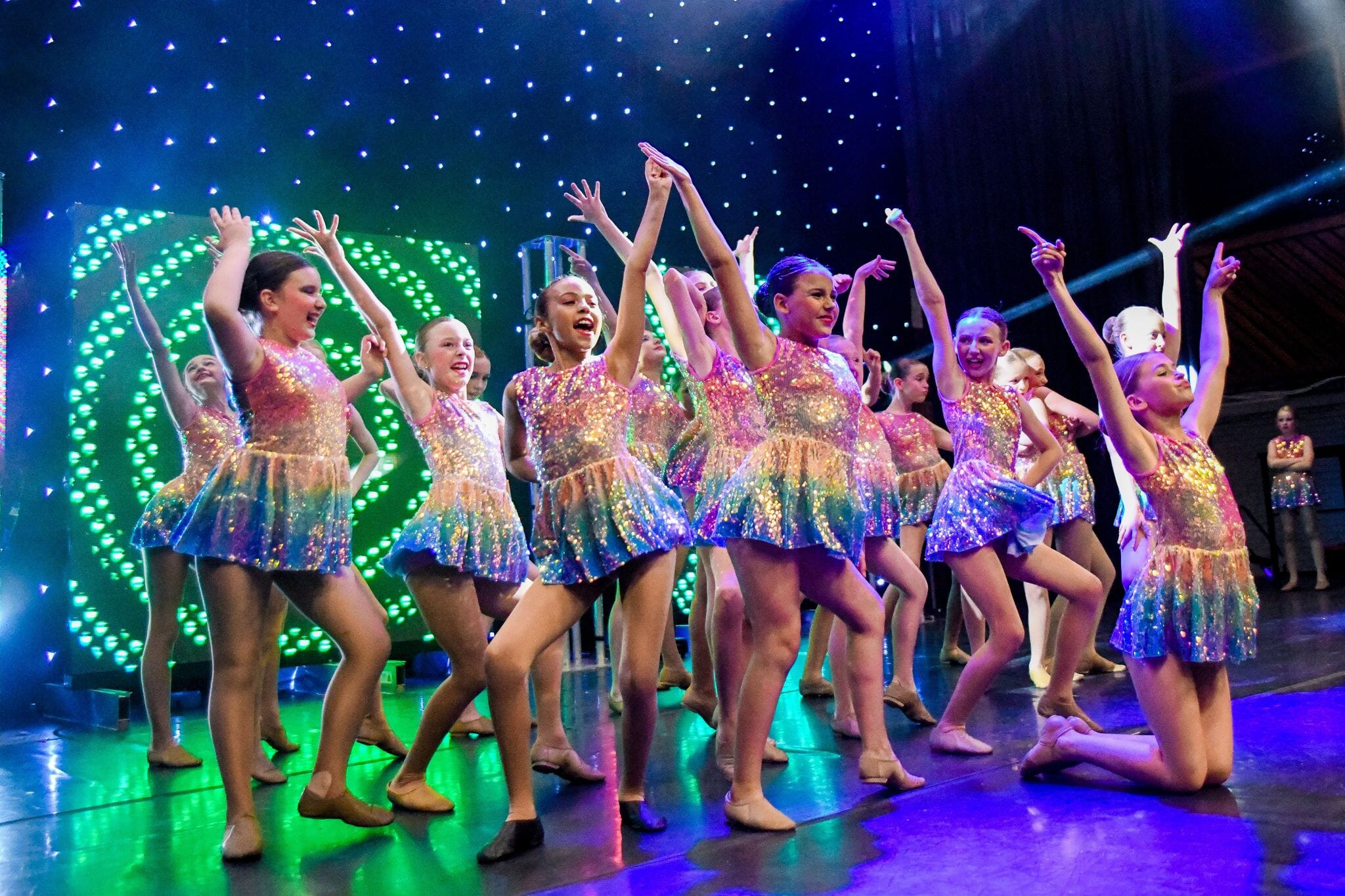
The 30° wash is the instinctive response. Something comes back from a show smelling of sweat and hairspray, and the washing machine feels like the sensible answer. It has a delicate cycle. It goes down to 30°. Surely that's gentle enough.
It isn't — and understanding why is genuinely useful if you're responsible for costumes that need to last.
What a washing machine actually does
A washing machine cleans through three things working together: water, detergent, and mechanical action. The drum rotates. The garment tumbles. Fabric is repeatedly lifted, dropped, and agitated against itself and the drum wall.
That mechanical action is the thing nobody thinks about. On a standard cycle it's vigorous. On a delicate cycle it's reduced — but it's still there, still working on the fabric, still creating friction and stress on every seam, every attachment point, every detail.
At 30°, the water temperature is low enough to limit shrinkage in many fabrics. But temperature is only one of the variables. The agitation continues regardless of what the dial says.
What happens to a performance garment in that environment
Performance garments are constructed differently from everyday clothing. They're built to move, to catch light, to hold their shape under physical stress — and they're often layered, lined, boned, or heavily embellished. All of that construction is doing specific jobs, and most of it doesn't respond well to repeated mechanical agitation in water.
Stretch fabrics can lose recovery. That's the elasticity that makes a garment return to its shape after being worn — once it goes, it goes. Lining can separate from the outer fabric as the two materials move at different rates in the drum. Embellishments attach to fabric at specific points under specific tension; agitation works against all of those points simultaneously. Even stitching — which holds everything together — is subject to the same stress.
The delicate cycle reduces agitation but doesn't eliminate it. And a full wash cycle, even a short one, involves far more mechanical stress than most people intuitively appreciate.
The detergent problem
Domestic laundry detergents are formulated for everyday fabrics. Cotton, synthetics, blended garments that can tolerate enzyme-based cleaning agents and optical brighteners. Those same ingredients can be actively damaging to delicate fibres, specialist dyes, and the adhesives used in embellishment construction.
"Delicate" or "silk" detergents are gentler — but they're still consumer products designed for a broad market, not for specialist garments. The difference between a domestic delicate detergent and a professional wet cleaning agent isn't just concentration. It's the entire formulation approach.
What "clean" actually means here
A 30° machine wash will remove some surface soiling. It will probably make the costume smell fresher, at least temporarily. What it won't do is address sweat that's penetrated into the fabric structure, body oils that have started to oxidise, or deodorant residue that's transferred to linings and panels.
Those things cause yellowing and fabric degradation over time — and they're the reason a costume that looks clean after a wash can still look tired, flat, or off-colour by the third or fourth show season.
Genuine cleanliness — the kind that extends the life of a garment — means addressing what's actually in the fabric, not just what's on the surface of it.
What proper professional wet cleaning does differently
Professional wet cleaning uses water — but controlled water. The mechanical action is calibrated to the fabric type. The detergents are specialist formulations that address biological soiling — sweat, oils, odour — without the enzyme activity that damages delicate materials. Temperature and moisture levels are managed through the whole process, including drying, which is where a lot of domestic washing causes problems that get blamed on the wash itself.
The result is a garment that's genuinely clean rather than surface-refreshed. And done properly, it maintains the structure and finish of the costume rather than gradually working against it.
The practical case
Show costumes are an investment — in time, in money, and often in the relationships with the suppliers and makers who produced them. A costume that's professionally cleaned at the end of each season, stored properly, and not put through repeated machine washing will last significantly longer than one that isn't.
That's not a marginal difference. Over five or ten years, the difference in condition between a well-cared-for costume and one that's been machine washed repeatedly is substantial — and it's visible.
The 30° wash feels like the careful choice. It isn't.